Karmel station no.1
Haifa District, Israel
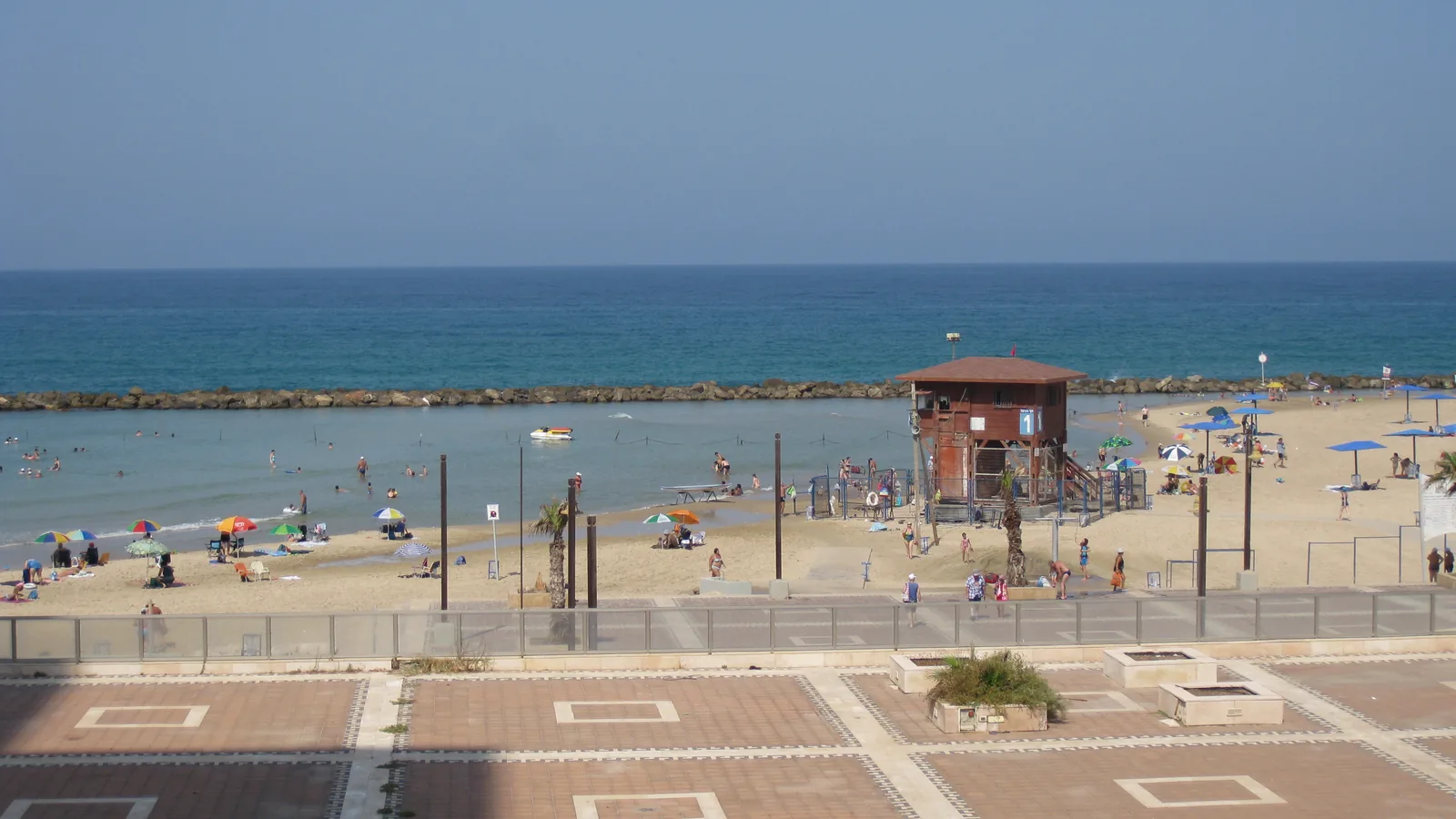
Karmel Station No.1 is a Blue Flag-certified beach 4.66 km from Haifa, holding the certification since 2020. The beach is open from May 5 to October 22, with free access for all visitors.
Quick Overview
Plan Your Visit to Karmel station no.1
The key facts before you go
About the Beach
What is Karmel station no.1?
Karmel Station No.1 is a Blue Flag-certified beach 4.66 km from Haifa, holding the certification since 2020. The beach is open from May 5 to October 22, with free access for all visitors.
The beach has a kiosk and shop on-site, disabled access, and water-entry assistance for visitors with mobility needs. Before swimming, check local water safety conditions.
May and June are the best months to visit if you want to avoid crowds. July and August draw the most visitors. The Blue Flag award, given annually by the Foundation for Environmental Education, means the beach meets strict standards for water quality, environmental management, and safety.
It sits alongside Blue Flag beaches in Haifa District, part of a broader network of Blue Flag certified beaches across Israel certified annually by the Foundation for Environmental Education.
Sunrise, Sunset & Beach Direction
Karmel station no.1 faces east toward Red Sea. The best light for photography and swimming is typically in May, June. Direct sun hours follow that facing.
Planning
When to Go: Month by Month
| Month | Air Temp | Crowds |
|---|---|---|
| Jan | 13°C | Low |
| Feb | 14°C | Low |
| Mar | 15°C | Low |
| Apr | 18°C | Low |
| May | 21°C | Med |
| Jun | 24°C | High |
| Jul | 26°C | High |
| Aug | 27°C | High |
| Sep | 26°C | High |
| Oct | 24°C | Med |
| Nov | 20°C | Low |
| Dec | 16°C | Low |
The best time to visit Karmel station no.1 is May, June. Air temperatures peak around 26.4°C in summer.
How crowded does Karmel station no.1 get?Like most Blue Flag beaches in Israel, Karmel station no.1 sees its highest visitor numbers in July and August. The beach maintains a pleasant atmosphere even in peak season.
Is Karmel station no.1 open year-round?The beach itself is accessible year-round, though staffed facilities including lifeguards typically operate only during the official season (05-05 – 22-10). The Blue Flag is displayed during the certification period only.
The Water
Swimming and Beach Life at Karmel station no.1
Is Karmel station no.1 safe to swim?Karmel station no.1 is Blue Flag certified, which requires meeting strict bathing water standards set by the EU Bathing Water Directive. The beach does not have lifeguards stationed on the beach. Swim with appropriate caution.
What is the water temperature at Karmel station no.1?Air temperature at Karmel station no.1 reaches 26.4°C in July. Water temperatures vary by season. Check local conditions before visiting. In winter (January), air temperatures average 13.3°C.
What is the beach like at Karmel station no.1?Karmel station no.1 is a sandy beach on the Haifa District coast of Israel. The beach has a kiosk and shop on-site, disabled access, and water-entry assistance for visitors with mobility needs. Before swimming, check local water safety conditions.
Does Karmel station no.1 have good facilities?As a Blue Flag certified beach, Karmel station no.1 meets the Foundation for Environmental Education's standards for facilities and services. Showers are available. Toilet facilities are on site. Parking is available nearby. The beach has disabled access facilities.
Transport
Getting to Karmel station no.1
How do I get to Karmel station no.1 by car?Karmel station no.1 is approximately 4.66 km from Haifa. Follow local road signs to the beach. Check Google Maps or a local map for the most current directions.
What is the nearest airport to Karmel station no.1?The nearest airport is Haifa International Airport (HFA) (HFA), approximately 8.1 km away.
Can I get to Karmel station no.1 by public transport?Public transport options vary by season. Check local transport authority websites for current bus and train schedules connecting to Haifa. The nearest recorded bus stop is 7 m from the beach.
Is there a train to Karmel station no.1?Karmel station no.1 lists Haifa-Hof HaCarmel (Raziel) as the nearest railway station, 0.15 km away. Check current timetables before travelling.
Map
Find Karmel station no.1
Open the map or get directions to the Karmel station no.1 pin. Amenity names are listed here only when OpenStreetMap has a mapped feature nearby.
Map loads when you ask. Tiles stay off the first paint.
Map: OpenStreetMap (ODbL)
Practical Details
Practical Information
| At the Beach | |
| Entry | Free: no charge to access the beach |
|---|---|
| Lifeguards | ✗ |
| Disabled Access | ✓ Accessible site facilities and water entry |
| Showers | ✓ Available during season |
| Toilets | ✓ Available during season |
| Official Season | 05 May – 22 Oct |
| Beach Type | Sandy beach |
| Parking | ✓ Available nearby (surface parking) |
| Nearest supermarket | 550 m from the beach |
| Nearest bus stop | 7 m from the beach |
| Visiting Information | |
| GPS Coordinates | 32.7934°N, 34.9590°E |
| Blue Flag Operator | Foundation for Environmental Education (FEE), Israel |
Frequently Asked Questions
Karmel station no.1 FAQ
Is Karmel station no.1 suitable for children?
Karmel station no.1 has a child-friendly score of 8/10. Facilities include showers, toilets, parking and disabled access. It is Blue Flag certified in Israel.
Is Karmel station no.1 free to access?
Access to Karmel station no.1 is free. There are no entry fees to enter the beach. It is a Blue Flag certified beach in Haifa District, Israel, recognised for meeting international standards for water quality and environmental management.
When is the best time to visit Karmel station no.1?
The best time to visit Karmel station no.1 is May, June. The peak season typically runs High season: July, August, when weather conditions and facilities are at their best. Outside peak season, the beach is quieter but some facilities may be reduced.
What is the water quality at Karmel station no.1?
Karmel station no.1 is Blue Flag certified, which requires meeting strict EU Bathing Water Directive standards. Blue Flag certification is awarded and reviewed annually by the Foundation for Environmental Education (FEE). Beaches must pass water quality tests throughout the season to retain their status.
How do I get to Karmel station no.1?
Karmel station no.1 is located in Haifa District, Israel. It is approximately 4.66 km from Haifa. The nearest airport is Haifa International Airport (HFA) (HFA), 8.1 km away. By car is the most flexible option. Check local transport authority websites for current bus and train schedules to the area.
Explore More
Nearby Blue Flag Beaches
Editorial
From the Zeach Blog
Everything you need to know about what makes a beach qualify for Blue Flag status, from water quality to environmental education.
Read moreOur editorial team's pick of the standout Blue Flag beaches in Israel, rated for family friendliness, scenery, and facilities.
Explore IsraelWhat the flag actually means, how certification works, and why a Blue Flag is a genuinely reliable signal, not just a marketing tool.
Read moreSources
- Foundation for Environmental Education: Blue Flag programme
- FEE site listing for Karmel station no.1
Last verified September 2026. National operator pages and FEE listings are the primary certification sources.